PPC For Small Businesses: Tips and Techniques to Improve ROI

For small businesses working with limited marketing budgets, every investment needs to deliver measurable results. This makes pay-per-click (PPC) advertising an attractive option as it can deliver quick results and high-value traffic, particularly when managed by professionals.
This article will share practical PPC tips and techniques to help small businesses get the most out of their ad spend. From the different types of paid advertising and who they are right for to the various options for bidding strategies, we’ll explore how to increase your ROI and ensure every penny “works harder” for your business.
Contents
- What Is PPC Advertising and How Does It Work?
- What Different Types of PPC Ads Can You Run?
- Why Should I Invest in PPC Ads?
- When Shouldn’t I Invest in PPC Ads?
- How to Set Up Ads For Maximum Impact
- How to Improve Budgeting and Bidding
- Creating High-Quality Copy and Landing Pages
- How to Target Your Target Audience
- How to Optimise Your Ads and Track Performance
- Common PPC Mistakes to Avoid
What Is PPC Advertising and How Does It Work?
Pay-per-click advertising is a form of online advertising where businesses pay a fee each time someone clicks on their ad. It’s commonly used on search engines like Google Ads and social media platforms like Facebook, Instagram and LinkedIn, to drive targeted traffic to websites or product listings.
PPC success is typically measured using Key Performance Indicators (KPIs) such as click-through rate (CTR), conversion rate, cost per click (CPC), and return on ad spend (ROAS). These metrics help determine how effectively your ads are reaching the right audience and generating valuable actions, such as purchases, sign-ups, or enquiries about your services.
|
Metric |
Definition |
Formula |
|---|---|---|
|
Click-Through Rate (CTR) |
The percentage of people who click your ad after seeing it. |
(Clicks ÷ Impressions) × 100 |
|
Conversion Rate |
The percentage of users who take a desired action after clicking your ad. |
(Conversions ÷ Clicks) × 100 |
|
Cost Per Click (CPC) |
The amount you pay each time someone clicks your ad. |
Total Ad Spend ÷ Total Clicks |
|
Return on Ad Spend (ROAS) |
Revenue earned for every £1 spent on advertising. |
Revenue from Ads ÷ Cost of Ads |
Different Types of PPC Ads You Can Run
There is a huge range of different types of PPC ads that businesses can use, including:
- Paid Search: Text ads that appear on search engine results pages (like Google) when users search for relevant keywords.
- Google Shopping: Product-based ads that display images, prices, and retailer info at the top of Google search results.
- Paid Social: Sponsored posts or ads on social media platforms (e.g. Facebook, Instagram, LinkedIn) targeting users based on interests, demographics, or behaviour.
- Display Ads: Banner or image-based ads that appear across websites in the Google Display Network or similar platforms, best used for re-marketing, in-market audiences and demographic segments.
- Video Ads (YouTube Ads/Instream Ads): Short video ads shown before, during, or after YouTube videos or other streaming content online targeting people with specific interests, intents and demographics - defined by you.
- Retargeting Ads: Ads that re-engage users who have previously visited your website or interacted with your business but didn’t convert.
- Affiliate Marketing: A performance-based model where partners (affiliates) promote your products/services and earn commission for each sale or lead.
- Dynamic Ads: Personalised ads that automatically display products or content based on a user’s browsing history or behaviour.
Why Should Your Small Businesses Invest in PPC?
PPC campaigns let you focus on the specific audiences. You can advertise on the platform that is best for your audience, and you can specifically target your audience based on keywords, demographics, interests, or past behaviours, with every click, conversion and penny spent being tracked. This precision not only delivers measurable results but also allows you to adjust bids, budgets, and targeting as your campaign progresses, making PPC both flexible and scalable for businesses of any size!
Unlike search engine optimisation (SEO), which can take months to take effect, PPC can put your business at the top of search results almost instantly, driving instant visibility and traffic (when done right!). That being said, PPC and SEO aren’t mutually exclusive: combining the quick wins of paid campaigns with the long-term gains of organic optimisation often produces the best overall ROI.
At Beyond Your Brand, many of our clients combine SEO and PPC for greater success with their digital marketing campaigns.
When Shouldn’t Your Small Business Invest in PPC?
Your small business shouldn’t invest in PPC - whether paid search or paid social - if you haven’t clearly defined your goals, target audience, or budget. Without a solid foundation, PPC can quickly become costly and ineffective.
You also shouldn’t invest in PPC if you don’t have enough budget to deliver enough clicks or if you can’t keep investing in it long enough to learn and optimise. We recommend minimum advertising budgets based on the research we do for each client and their industry (roughly based on cost per clicks), and would always recommend that a business could run these ads for at least 6 months without worry.
Digital marketing agencies also typically charge a management fee for the time spent on managing PPC ad campaigns. While you can always run your PPC adverts yourself, without the expertise of an experienced PPC professional, it can be much harder, cost a lot more, and take longer to see a return on your investment.
It’s also wise to hold off if your website or landing pages aren’t ready to convert visitors, as even the best ads won’t deliver ROI without a strong user journey. As a marketing agency, we recommend building the right strategy first, ensuring your messaging, website, and tracking are in place before committing to any ad spend. Fortunately for you, our PPC experts are able to help create a strong PPC strategy that delivers results, and we offer web design services to create PPC and SEO-friendly sites.
Setting Up Ads for Maximum Impact

Define Your Campaign Goals
Before launching a PPC campaign, it’s essential to set yourself up for success with a clear structure and purpose. One of the most important starting points is defining your business goals - whether you're aiming for lead generation, online sales, or brand awareness. Your objectives will influence everything from your ad copy to your bidding strategy and choice of platform.
Choose a Suitable Ad Platform
Talking of platforms, choosing the right one is key. Google Ads and Bing Ads are ideal for capturing high-intent search traffic, while Meta (Facebook and Instagram) is great for creating awareness of your business and engaging users based on interests or behaviours. Understanding where your audience spends their time helps ensure your budget is well spent.
Keep Your Keywords Tightly Focused
When it comes to building ad groups, particularly in paid search, keep them tightly focused and highly relevant. Try not to use more than 12 keywords in a single ad group, and make sure all keywords share the same intent.
Remember, you don’t need to rank for every possible term; instead, focus on the keywords most likely to lead to conversions. Then, tailor your ad copy and landing page to match those keywords closely. This not only improves Quality Score and reduces costs but also leads to a smoother user experience and better results.
Improving Your Budgeting and Bidding for Cost-Effectiveness
Control Your Budget
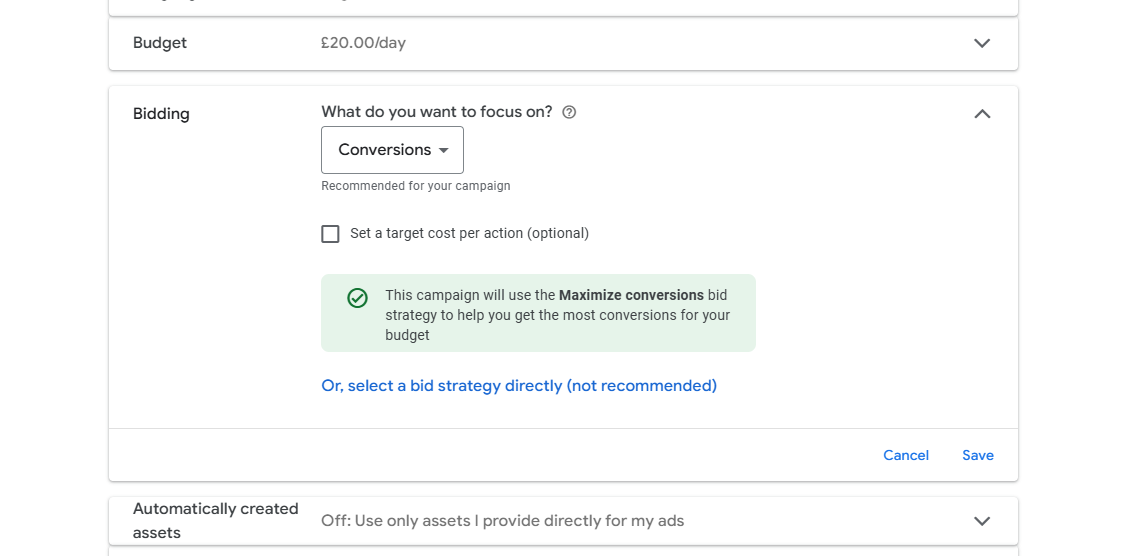
Budget control is essential for small business PPC campaigns to avoid overspending and ensure a strong return on investment. Start with a manageable daily or monthly budget and allocate more to high-performing campaigns as data comes in. Use features like bid caps, ad scheduling, and geographic targeting to help your spend work smarter, not harder. Regularly review performance and pause underperforming keywords or ads to focus on what’s delivering real value.
Use the Correct Bidding Strategy
Choosing the right bidding strategy is key to driving efficient results from your PPC campaigns. You should align your bidding strategy with your primary objective to help Google’s algorithms optimise performance effectively. For example:
- If your goal is lead generation, setting a target Cost Per Acquisition (CPA) allows Google to optimise bids to deliver conversions within your desired cost range.
- For e-commerce or purchase-driven goals, using a target Return on Ad Spend (ROAS) helps ensure you're getting the most value from every pound spent, by focusing on revenue, not just clicks.
Creating High-Performing Ad Campaigns
Write Compelling Ad Copy
Your ad copy is your first impression, so make it count. Create messaging that speaks directly to your target audience’s needs, pain points, or interests. Avoid generic language and focus on what sets your business apart from your competitors. The goal is to grab attention and encourage clicks from people who are most likely to convert, so your message needs to be relevant, persuasive, and tailored to your ideal customer. Use of high quality images is also key.
Optimise Your Landing Page
Once someone clicks your ad, the landing page must essentially “seal the deal”. Ensure the page is highly relevant to the keyword and ad they clicked on, and guide users toward your goal, whether that’s a form submission, purchase, or phone call. A smooth user journey, fast loading speed, and clear messaging all contribute to higher conversion rates, which, in turn, improves your ROI. If your landing page is weak or loads slowly, they may simply look elsewhere, but you’ll still be paying for their click!
Use Ad Extensions to Your Advantage
Ad extensions help you take up more space on the search results page and give users more reasons to click. Use every relevant extension available, such as sitelinks, structured snippets, callouts, images, prices, your business name and logo, and more - you’d be surprised at how many businesses fail to make the most of these! Ad extensions not only improve visibility and credibility but also provide more context about your business before the user even clicks and takes up more real-estate on the search results page.
Include Strong Calls to Action
Every ad should clearly tell the user what they should do next. Whether it’s “Get a Quote,” “Buy Now,” or “Book a FREE Consultation,” a strong call to action (CTA) gives direction and encourages immediate engagement. Avoid vague CTAs like ‘Click Here’ or ‘Find Out More’; instead, be specific, action-oriented, and aligned with your campaign goals to drive higher conversion rates.
Targeting Techniques to Grasp Your Audience
Geo-Targeting for Local Reach
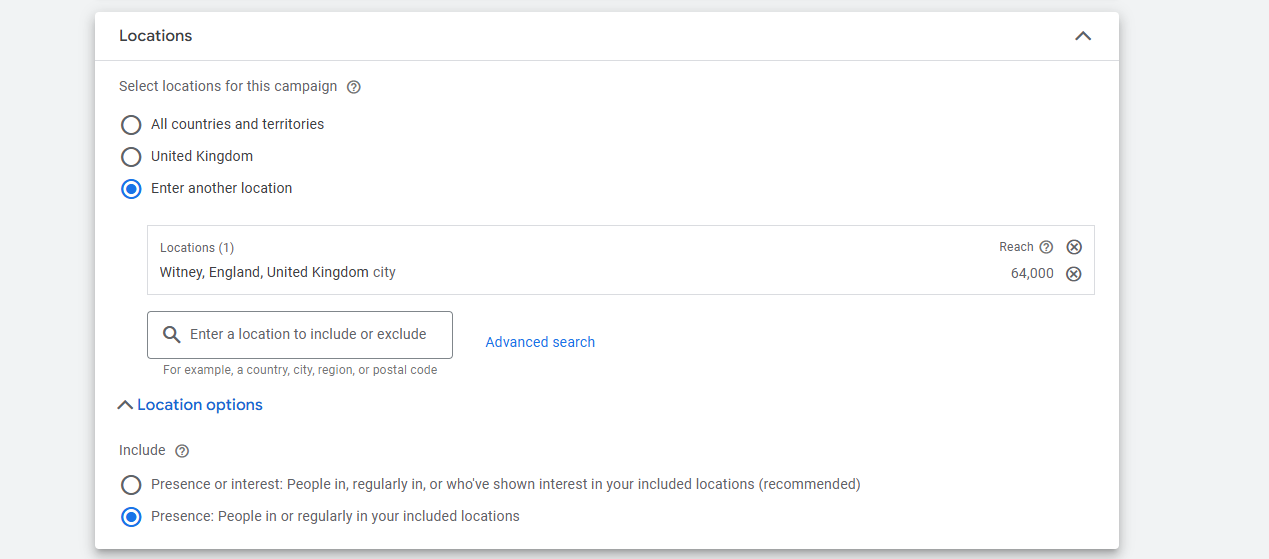
Geo-targeting allows you to show ads only to users in specific locations, particularly ideal for small businesses offering local services. Whether you're a tradesperson, a local retailer, or a regional-based consultancy, this ensures your budget is spent reaching the people most likely to become customers. You can target your ads by postcode, town/city, or radius, making your ads hyper-relevant and cost-effective.
Remarketing to Past Visitors
Remarketing targets users who have already visited your website or engaged with your business but didn’t convert. By serving them tailored ads as they browse other sites or social media, you can increase the likelihood of them returning to take action. It’s a gentle reminder to the past visitor that it’s time to return to your site and follow through with the purchase, for example.
Audience Targeting by Interests or Behaviour
Another effective strategy is targeting users based on their interests, online behaviour, or demographic data. Think of it like when you’ve been Googling a holiday destination, and suddenly you see ads for the same location pop up all over Instagram. It’s persuasive, right?
Platforms like Meta and Google allow you to build “custom audiences”, such as people interested in fitness, parenting, or business services, helping you tailor your messaging to users more likely to engage. This ensures your ads are not only seen but also resonate.
Optimisation & Tracking Tips to Stop Your Campaign Going Stale
Refine Ad Copy for Relevance and Clicks
Ensure your ad copy aligns closely with your target keywords and speaks directly to your audience’s needs. Incorporating strong USPs (unique selling points) and CTAs not only improves relevance but also encourages more users to click on your ad. The more your ad matches the user’s intent, the higher your click-through rate - and the better your campaign performance; a win-win situation.
Track Conversions Accurately
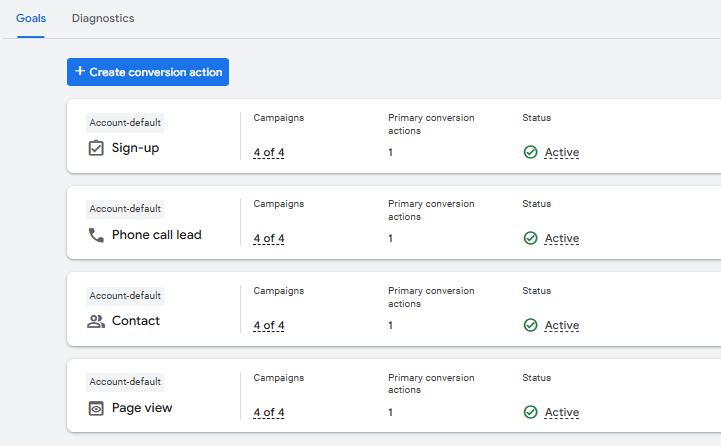
Always track meaningful conversions such as completed lead forms, bookings, or purchases, and import these into Google Ads. Because Google Ads is a learning platform, it uses this data to understand what’s working and serve your ads to users more likely to take similar actions, ultimately improving performance over time.
But, don’t stop there - make sure tracking is working properly. For e-commerce businesses, that includes pulling through accurate revenue data. Inaccurate or missing tracking means lost insight and wasted budget, so it’s crucial to get this right from the start!
Google Tag Manager is the most effective way of doing this, allowing you to add and update tags for conversion tracking, site analytics and remarketing.
Use Negative Keywords to Cut Waste
Negative keywords are essential for stopping your ads from appearing in irrelevant searches; they essentially tell the platform which terms you don’t want your ad to show for. By filtering out traffic that’s unlikely to convert, you prevent wasted spend and keep your campaign focused on high-intent users. Regularly reviewing your search terms report will help you spot and exclude poor matches, so don’t neglect this.
Run A/B Tests for Continuous Improvements
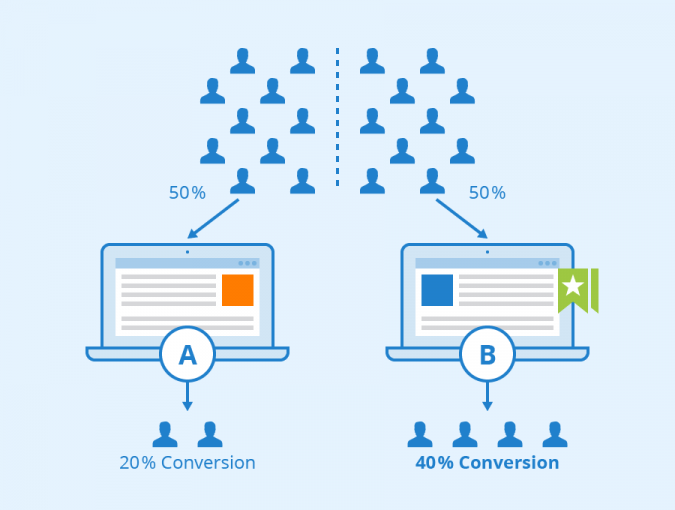
Don’t settle for your first version of an ad or landing page - test alternatives! A/B testing - where two versions of something are compared - allows you to compare different headlines, CTAs, layouts, or imagery to see what works best with your audience. Even small tweaks can lead to significant improvements in click-through and conversion rates, helping you get more from your budget.
Common Mistakes to Avoid During PPC Campaigns
PPC advertising is a great form of marketing for quick impact, but there are a few important tips to keep in mind before and during your campaigns. These include:
- Not Setting Clear Goals: Without defined objectives like leads or sales, it’s hard to measure success or optimise your ad groups.
- Using Too Many Keywords in One Ad Group: This leads to unfocused ads and poor relevance. Instead, make sure you stick to tightly themed groups.
- Neglecting Conversion Tracking: If you’re not tracking conversions accurately, you can’t tell what’s working (and importantly, what isn’t).
- Ignoring Negative Keywords: This wastes budget on irrelevant clicks that simply won’t convert.
- Sending Traffic to Your Homepage: Always use a targeted landing page tailored to your ad’s messaging.
- Poor Quality Landing Pages: You could spend on ads and have top-notch copy, but a poor-quality landing page will drive visitors away without converting them.
- Failing to Test Ad Variations: Without A/B testing, you’ll miss opportunities to improve your ad’s performance.
- Choosing the Wrong Bidding Strategy: Misaligning your goals and bidding methods can drain your budget fast.
- Overlooking Mobile Optimisation: Mobile devices dominate the majority of website traffic, so your landing pages must be optimised for mobile users.
- Setting and Forgetting Campaigns: Regular optimisation is key; poor-performing ads need to be adjusted or paused, not ignored.
- Using poor imagery: Make sure images and video are of high quality and relevant to your ad.
Our Experts Can Help Develop Your PPC Strategy & Maximise ROI
PPC can be a valuable tool for small businesses, but only with the correct strategy. Too often, we hear about businesses that dive into PPC head-first without a proper plan, wasting what’s already a tight marketing budget. At Beyond Your Brand, our experts are committed to making sure every penny counts.
If you’re looking to make more revenue from your Google Ads, we offer various packages to suit businesses of all sizes, big or small. These packages include tasks such as setting up and managing your campaign, carrying out keyword research, and ensuring compliance with Google’s ad policies. If you’d like to get started or learn more, please contact us for a FREE consultation.

