SEO for Small Businesses: 9 Top Tips to Capture & Convert the Right Customers

SEO can be a game-changing tool for businesses, but only if it’s done right. There’s a big difference between casting a wide net that targets everyone and attracting the right customers. Too often, we hear about small businesses wasting their time and budget chasing rankings that either aren’t achievable or simply don’t convert.
This article will be beneficial for both small business owners interested in starting SEO for their business and for people currently undertaking SEO work who want to improve the success of their campaigns. While plenty of other guides offer generic advice for businesses, we’ll focus on SEO tips for small businesses specifically. Our goal? To help you build a campaign that actually delivers results, not just empty clicks!
What Is SEO and How Does it Work?
SEO (Search Engine Optimisation) is the process of improving your website so it appears higher in search engine results when potential customers search for products or services like yours. It’s not just about keywords - it’s a mix of strategies that fall into three main categories:
- On-page SEO involves optimising the content and structure of your website, including headings, keywords, and internal links.
- Off-page SEO is about building authority through backlinks, brand mentions, and reputation across Google (& other search engines).
- Technical SEO focuses on how well your website functions behind the scenes - things like site speed, mobile-friendliness, and crawlability.
SEO helps make sure your website is visible, accessible, and relevant, so it can show up when people are looking for exactly what you offer. To understand SEO, it helps to know how search engines like Google operate:
- Crawling: Search engines scan the internet using bots (“crawlers”) to discover new or updated pages.
- Indexing: Once found, those pages are stored in a huge database, or “index,” where they’re organised based on content and context.
- Ranking: When someone types in a search query, the search engine sorts through its index and ranks the most relevant and reliable results.
What Are the Benefits of SEO for Small Businesses?
SEO is a highly beneficial tool for small businesses, but what exactly can it bring to the table?
- Increased online visibility and organic traffic from desirable audiences.
- Longer-lasting than paid ads, which instantly cease once you stop paying for them.
- Builds credibility and authority in your business’s industry.
- Measurable & trackable results to help you assess campaign success.
- Improved customer experiences through relevant and high-quality content.
A 9-Step Guide to SEO For Small Businesses
Let’s get into the nitty-gritty of SEO for small businesses, helping you to learn the secrets of a successful campaign. Gone are the days of wasted marketing budgets - say hello to meaningful conversions!
1. Set Realistic Goals

Before diving into SEO, it’s important to set clear, realistic goals. Aiming for position one overnight or competing with big businesses or international competitors with massive SEO budgets on broad keywords will almost always result in frustration and wasted budgets. Instead, focus on achievable outcomes based on your size, niche, and location.
Start by deciding what success looks like for your business. Is it more website traffic? More enquiries? Higher local visibility? From there, establish measurable Key Performance Indicators (KPIs) - such as organic traffic, keyword rankings, or most importantly, conversions (like calls, sign-ups, or purchases). Knowing what you’re tracking helps you stay focused and assess whether your SEO efforts are actually delivering value.
In the step below, we will help you understand how you can track these different metrics and goals.
2. Track Performance With SEO Tools
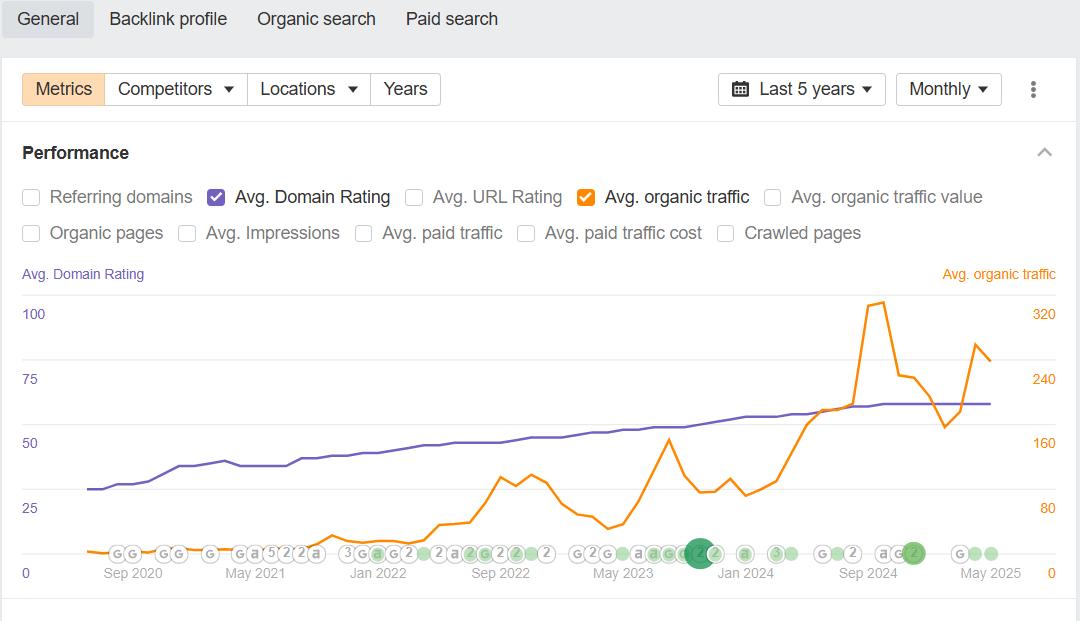
To make the most out of your SEO efforts, you’ll need to monitor what’s working and what isn’t going so smoothly. This starts with setting up Google Analytics (GA4) and Google Search Console. These free tools give you in-depth insight, such as where your visitors are coming from, what pages they visit, and how your site performs in search. Without them, you’re essentially flying blind.
For deeper analysis, tools like Ahrefs, SEMrush, and Screaming Frog can help with keyword research, backlink audits, and technical site performance. These platforms offer powerful insights, but can be expensive for small businesses. We’d suggest starting with free tools, then consider upgrading as your SEO strategy grows. The key is to use data to guide your decisions; don’t guess your next steps.
3. Conduct Thorough Keyword Research
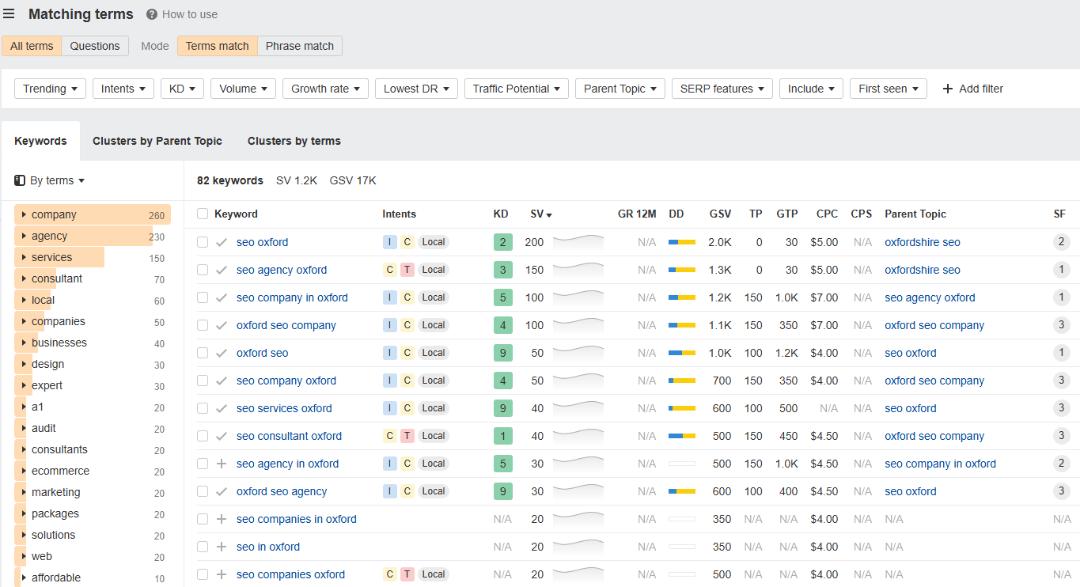
Keywords are an important part of SEO; they connect what people are searching for with the content you offer.
However, not all keywords are equally important. Buyer-intent keywords (like “emergency roofer near me” or “Lego sets for sale”) and informational queries (such as “how to fix a leaking tap”); both have value, but buyer-intent keywords are those people looking to make a purchase or engage in your services, and are more likely to lead to sales or enquiries.
For small businesses, it’s vital to start by prioritising low-competition, high-relevance keywords. Too many people dive into SEO, aiming to rank for broad, highly competitive terms, only to get lost underneath big-brand websites. Increasing your rankings from position 98 to position 32 sounds great, but in reality your site is no more visible. Instead, focus on more niche, specific search terms that align closely with your services and local area, such as “sports cars for hire in Witney”, instead of “sports cars for hire in the UK”.
The right keyword strategy will help you get seen by the right people, not just more people.
4. Optimise On-Page Elements
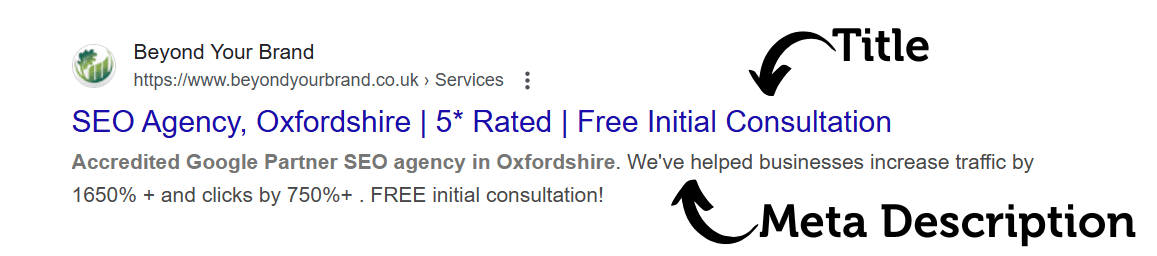
Your page titles and meta descriptions (”metadata”, for short) are the first things people see in search results, so they need to be clear, relevant, and encourage clicks - our guide to writing great metadata will help you get started. An SEO-friendly title should include your target keyword and make it obvious what the page is about. The meta description doesn’t directly impact rankings, but it plays a big role in click-through rates, so make it compelling.
Proper use of header tags (H1, H2, H3, etc.) also helps structure your content for both users and search engines. Use one H1 per page (typically the main title), then organise content with H2s and H3s to break down sections and subtopics logically.
Most importantly, write naturally. Google is smart enough to detect when content is stuffed with keywords or written just to tick SEO boxes. Focus on creating content that’s genuinely useful to your target audience, because that’s what Google rewards. Content should always serve the user first, not just the algorithm.
Our Content Marketing Services
5. Optimise Your Website For Technical SEO
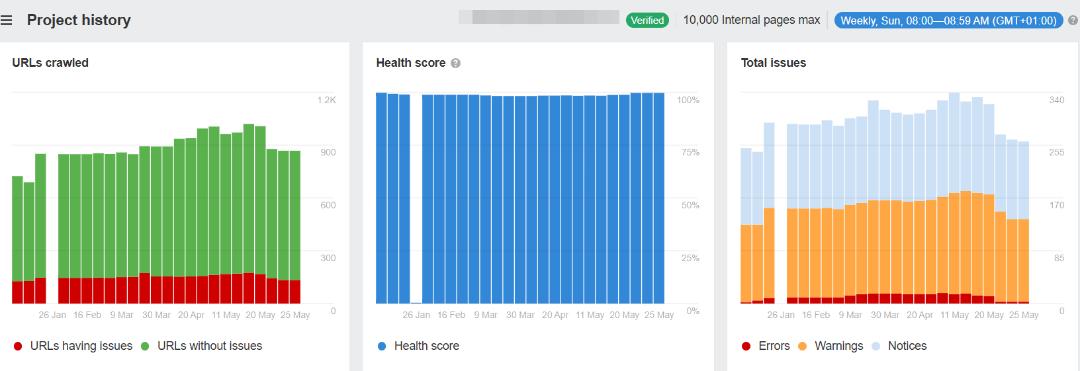
Technical SEO is all about making sure your website runs smoothly and is easy for search engines to understand. With the majority of users now browsing on mobile devices, your site must be mobile-friendly; responsive design, clear navigation, and fast loading speeds are non-negotiable. If your website is clunky or slow on mobile, users will quickly leave, and so will Google’s ranking favour.
Other key technical factors include fixing broken links, resolving crawl errors, and ensuring all your pages are accessible to search engines. Submitting an XML sitemap through Google Search Console helps search engines index your site efficiently and keeps them up to date with any changes you make.
For local businesses, we’d recommend implementing schema markup. Schema helps search engines understand your content better and can improve your listings with rich snippets, such as star ratings, opening hours, and location information. This extra detail can improve your visibility and attract more relevant traffic to your business’s website.
6. Implement Local SEO Strategies
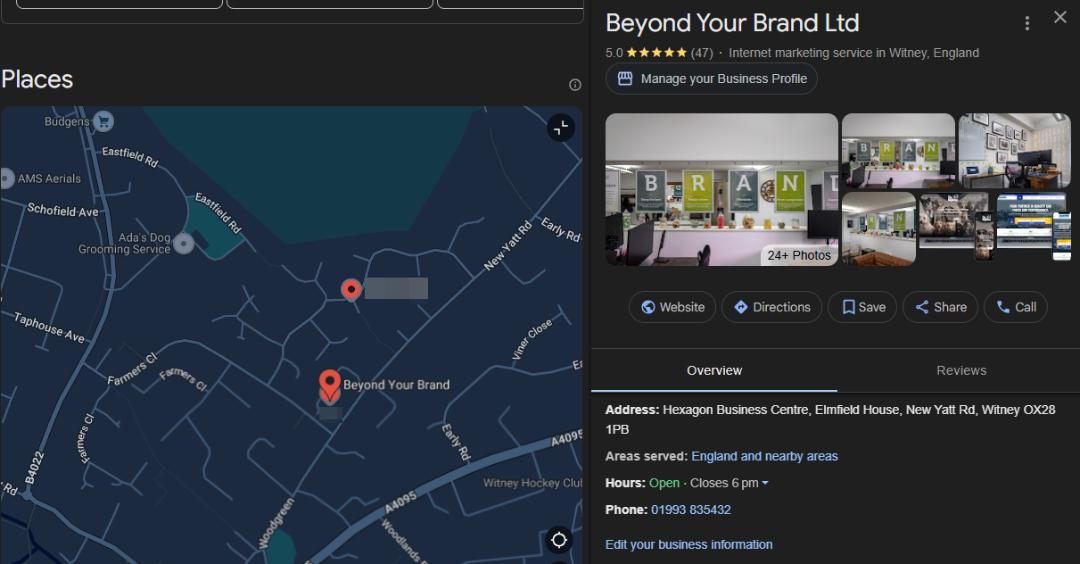
For most small businesses, thinking on a localised scale is far more effective than trying to compete nationally. That’s where Local SEO comes into play - it helps your business appear in search results when people nearby are looking for the products and services you offer.
A well-optimised Google Business Profile is a must - this is what shows up in local maps and “near me” searches. Make sure your profile includes accurate business information, such as contact details, opening hours, categories, services, and high-quality photos.
You should also build local citations by listing your business on trusted online directories like Scoot and Yell. Consistent Name, Address, and Phone Number (NAP) details across these listings help boost your local authority.
Creating location-specific landing pages can further improve visibility for the towns or areas you serve. These pages should be unique and tailored to that specific area, not just copy-pasted versions with different place names.
Lastly, online reviews play a powerful role in earning trust. Encourage your satisfied customers to leave reviews on Google and other relevant platforms. It’s especially helpful if those reviews mention your local area, reinforcing your online presence in the community and improving local relevance in Google’s eyes!
7. Build a Content Strategy That Turns Users into Buyers
Content marketing and SEO go hand in hand; great content drives traffic, builds trust, and helps convert visitors into paying (and returning) customers. A strong content strategy should mix “evergreen” content (that stays relevant over time) with “time-sensitive” posts like seasonal offers, local events, or new industry updates.
It’s not just about plain text - remember to use multimedia, such as images, videos, infographics, or even short “How-To” guides to keep users engaged and improve the time users spend on your page. Don’t just publish your content and hope for the best - promote it through social media and email marketing to get it to the front of the right audience! Using AI tools like ChatGPT can be a great way of generating a multitude of posts for a range of platforms to help promote your content quickly and effectively.
Most importantly, create content that supports the buyer journey, focusing on topics that answer your customers' questions, solve their problems, or highlight your services. For example, a local plumbing business might write a blog titled "How to Know If You Need a Boiler Replacement" to educate and gently guide readers toward a service you offer. Every piece of content should have a purpose: either to attract, inform, or convert. If it doesn’t, there’s no point writing it.
8. Earn Quality Backlinks
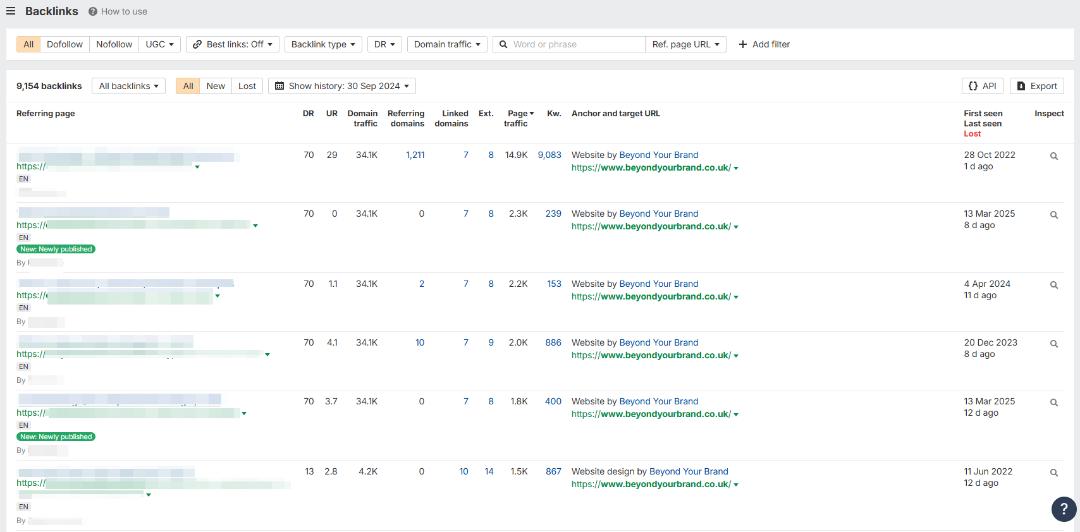
Backlinks - also known as inbound links - are links from other websites that point to your own. They’re one of Google’s strongest ranking signals because they indicate that other ‘authoritative’ sites trust and value your content. The more relevant and high-quality backlinks you earn, the more authority your website gains in the eyes of search engines, leading to a higher domain rating (DR).
It’s important to understand the difference between backlinks (external links) and internal links (links between pages on your site). Both are important for SEO, but backlinks carry more weight in building authority and credibility.
For small businesses, great backlink opportunities can come from local sponsorships, community involvement, business partnerships, and guest posts on relevant industry or local blogs. These not only boost your SEO but also build real-world brand visibility!
So, how do you earn backlinks? The most common way is to create link-worthy content; content that other sites will want to reference or share. This could be a well-researched How-To guide, a free downloadable checklist, or even the latest insights based on new industry statistics. In short, the better the content, the more likely others are going to link to it.
9. Monitor & Analyse Your Successes (and Non-Successes!)
SEO isn’t a one-time task; it’s an ongoing process of testing, learning, and improving. Even we, as professionals, are constantly learning new processes and tactics to implement! To understand what’s working (and what’s not), you need to monitor key SEO metrics like:
- Organic Traffic: The number of users that find your business via search engines.
- Keyword Rankings: Where your target terms appear in search results.
- Click-Through Rates (CTRs): How often users click on your site when it appears.
- Conversions: The actions that matter most, like submitted contact forms or purchases.
The tools we mentioned earlier (such as Google Analytics) allow you to track these metrics, helping you learn about both your wins and your weak spots. Running regular SEO audits will assist you in identifying technical issues, content gaps, or keyword opportunities. You can also experiment with A/B testing page elements (where two elements are compared to see which performs better), like headlines, meta descriptions, and calls-to-action, to improve performance.
Keep in mind that few small businesses get their SEO perfect on the first try, but that’s normal, and remember that it takes time! What matters is learning from the data and optimising your strategy so your results improve over time. Of course, this doesn’t drive quick results; it requires resources and effort, which not every small business has. That’s where we come in; our various SEO packages give you the platform to reach your SEO goals.
Common Mistakes to Avoid
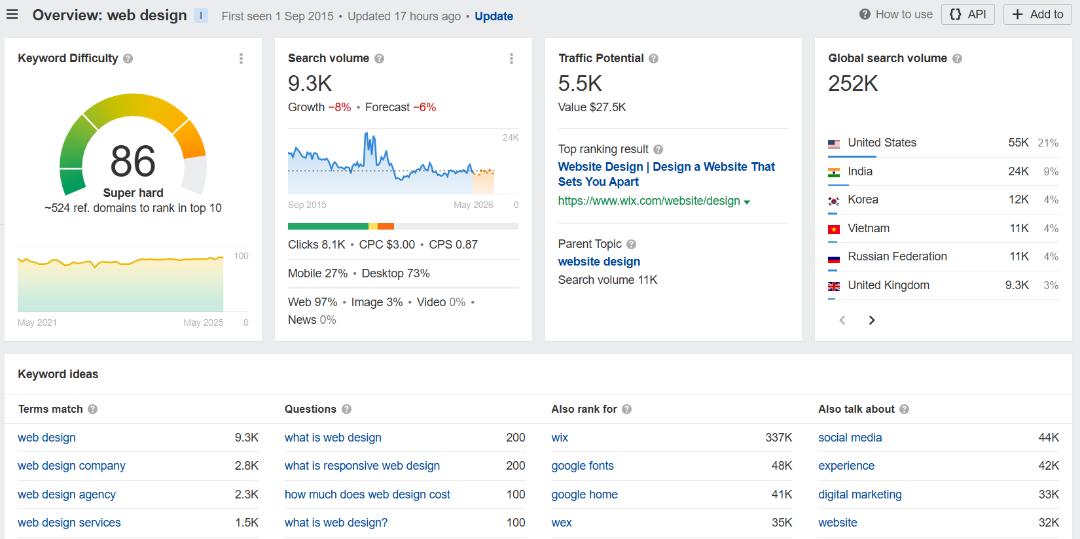
Small businesses new to SEO can fall into a few common traps that waste time, money, and effort. Here are some of the most frequent mistakes to avoid:
- Chasing Highly Competitive Keywords: Trying to rank for broad, competitive keywords (like “web design”) often leads to disappointment. It’s far better to start with niche, location-specific, or long-tail keywords where you have a better chance of ranking (“pay monthly web design oxfordshire”).
- Ignoring User Experience (UX): Search engines care about how users interact with your site. If your pages load slowly, aren’t mobile-friendly, or are difficult to navigate, visitors will quickly leave. Google takes note of this and will move your website further down the search engine rankings.
- Neglecting Technical SEO: Focusing only on content and keywords without addressing technical issues like crawl errors, broken links, or missing meta tags can hold your site back, even if the content is strong.
- Forgetting to Track Progress: Without data, you won’t know what’s working. Not using tools like Google Analytics or Google Search Console means missing out on key data and insight that could help improve your strategy.
- Writing for Search Engines, Not People: Stuffing content with keywords or creating low-value articles just to “do SEO” doesn’t work anymore. Google values helpful content, so focus on answering real questions and solving real problems.
- Lack of Consistency: It’s crucial to know that SEO is not a quick fix - it’s a long-term strategy. Posting a couple of blog articles or optimising a few pages, then stopping, won’t achieve lasting results. Consistency and regular optimisation are the way forward.
For Tried and Tested Successful SEO, Choose Beyond Your Brand!
Too many SEO agencies are prepared to waste your time and money offering unrealistic outcomes that you simply won’t reach. At Beyond Your Brand, our experienced team uses tried and tested techniques to help small businesses like yours target the right opportunities and reap the rewards.
To discuss more about what’s involved, we offer a FREE, no-obligation consultation - this is a great opportunity to ask all the questions you may have about SEO and what’s involved. Together, we can help your business grow and become another of our many success stories!

